9. Which Characteristic Is Used to Classify Rock Types
The texture has to do with the sizes and shapes of mineral grains and other constituents in a rock and how these sizes and shapes relate to each other. Colour variation is a primary indication of weathering.
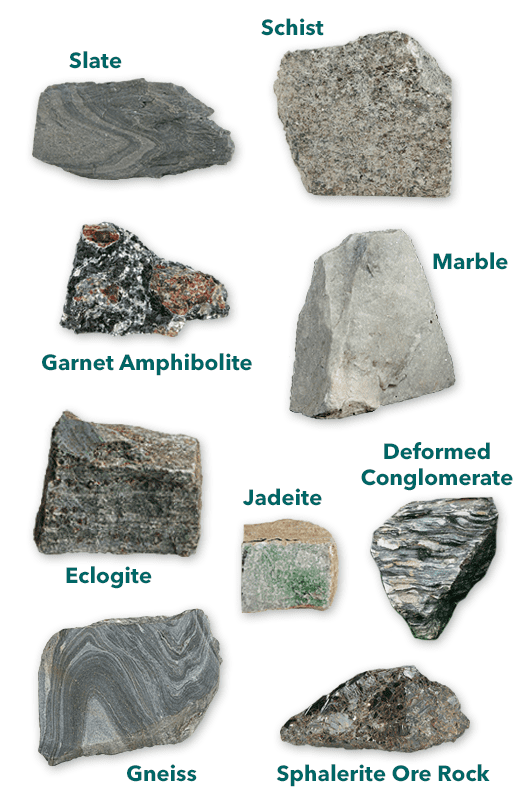
3 Types Of Rock Igneous Sedimentary Metamorphic Amnh
May display two different grain sizes.
. Which is a characteristic used to classify a rock. When a rock is classified based on its composition the feature that is most used is the type of mineral in the rock. In the table below summarize the textures that will allow you to identify and classify these rock types.
What are common minerals found in sedimentary rocks as opposed to igneous rocks. Rock type Characteristics Igneous Interlocking texture of grains. Based on their appearance texture and minerals the use of rock is determined.
There are different types of rocks existing in nature. 1 Sedimentary rocks often have fossils and fragments of other particles in the rock. Examples of intrusive igneous rocks are diorite gabbro granite pegmatite and peridotite.
Fine grains are smaller and usually cannot be identified without using a magnifier. Metamorphic rocks form deep under the Earths surface and these sometimes have distinct layers or bands. The characteristics of rocks are variant across the types of rocks.
Theyre actually cool in another way. Rocks are classified physically into three types as follows. Igneous Rocks Metamorphic Rocks Sedimentary Rocks 1.
And metamorphic rocks which. Brown green red pink khaki. Stratified rocks Unstratified rocks Foliated rocks Stratified rocks Stratified rocks consist of different layers in its structure and these layers are separated by planes of stratification.
Igneous rocks which form by the freezing solidification of molten rock. Sedimentary rock classifications generally include grain size type of cement or matrix mineral composition in order of increasing amounts greater than 15 percent and the rock type such as medium-grained calcite-cemented feldspathic- quartzose sandstone and coarse- to fine-grained lithic- feldspathic-quartzose gray-wacke with an. Such factors are controlled by the process which formed the rock.
Excellent guide for strata correlatirock on and may be used to identify various marker horizons. Students will observe a variety of rocks and comment on their physical characteristics Students will identify classification schemes to identify common rock types Students will identify patterns of minerals found in rock types eg. Igneous rocks are known for having gas bubbles or crystals.
In short there are three different types of rocks that every rock you meet can be classified as. The rocks are used for different purposes in our day to day life such as for household tiles Coal sand making for construction Tool Making Infrastructures Decorations etc. Which is a physical characteristic used to classify a rock.
The rock colour is can be described as its predominant colour ie. There are two basic types. Sedimentary rocks which form either by the cementing together of fragments grains broken off preexisting rocks or by the precipitation of mineral crystals out of water solutions at or near the Earths surface.
Igneous rocks are more than just a cool name. The prime characteristics of igneous rocks used for identification purposes are color and size of crystals. Characteristics that ARE used to classify rocks.
Rocks can be characterized based on there texturemake up permeability and so much more. Any unique combination of chemical composition mineralogy grain size texture or other distinguishing characteristics can describe rock types. Sedimentary igneous or metamorphic rocks that are transformed physically changed by extreme heat and pressure.
Coarse grains are visible to the naked eye and the minerals can usually be identified without using a magnifier. Bands alternating light and dark lines wavy. The three types of rocks are.
These planes are also called cleavage planes or bedding planes. They are a - Hardness is a measure of the minerals resistance to being scratched The Mohs Hardness scale is how we measure the hardness for example. In simple terms hard rock scratches glass and steel usually.
Rocks are classified mostly by its texture and its composition. This is measured with the Mohs scale and refers to the minerals contained within a rock. Non-foliated rock Metamorphic rock formed from equal pressure.
Using this approach geologists recognize three basic groups. For more information on this visit. The most abundant rock in the earths crust is none other than the igneous rock type.
Extrusive igneous rocks erupt onto the surface where they cool quickly to form small crystals. 1 Softest 10 Hardest - Lustre some minerals are shiny and some are dull lustre means metallic or non metallic. Mineral stability rock texture water content degree of weathering rock texture How does a metamorphic rock form melt a rock to form a molten material subject to high heat and pressure break down a rock and then cement the pieces cool a melt so quickly that no crystals form.
The texture of a sedimentary rock indicates the various types and sizes of clasts that are a part of the rock. CLASSIFICATION The classification of rocks is based on two criteria TEXTURE and COMPOSITION. Minerals are held together as interlocking pieces in a crystalline rock whereas in a cemented rock the grains do not fit together like puzzle pieces and instead are held together by cement.
Igneous Rocks The first type of rock on this list are the igneous type of rocks. The three primary classes of rock are sedimentary igneous and metamorphic. Color of igneous rocks may be light or dark whereas the crystal size is either small or large based on how crystallization process takes place.
Up to 24 cash back There are 6 types of characteristics for rocks and minerals. And biochemical sedimentary rocks that are formed by the action of chemical and biological forces. For the Options the characteristics of rocks are used in classification are.
The characteristics of each rock is different. The study of the type of rock helps one to. Rocks which are found in nature rarely show such simple characteristics and usually exhibit.
Up to 24 cash back To learn other characteristics of igneous metamorphic and sedimentary rocks turn on Show common characteristics in the CHARACTERISTICS pane. Composition color and texture. Intrusive igneous rocks crystallize below Earths surface and the slow cooling that occurs there allows large crystals to form.
Foliated rock Metamorphic rock formed from extremely high pressure that is greater in one direction. For instance igneous rocks are made of silicate minerals while quartz K-feldspar and muscovite are found in sedimentary rocks. These rocks are of basic two types clastic rocks which are formed by pressing together of broken particles called clasts.
Additionally different classification systems exist for each major type of rock.
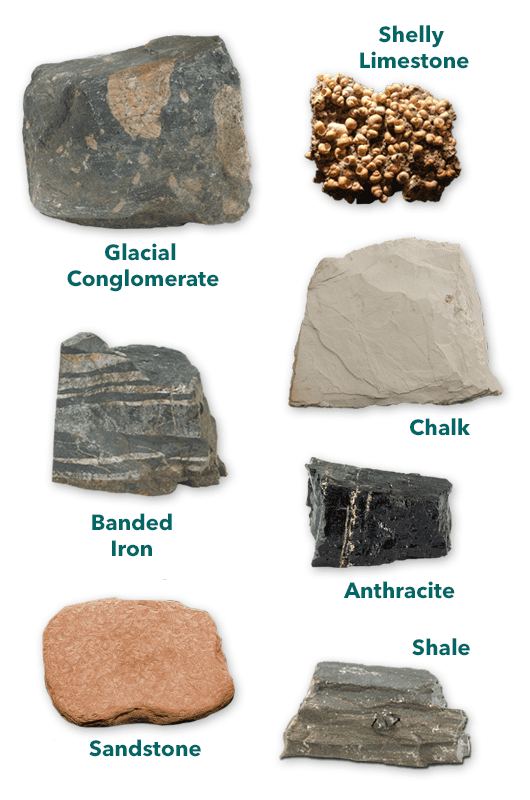
3 Types Of Rock Igneous Sedimentary Metamorphic Amnh
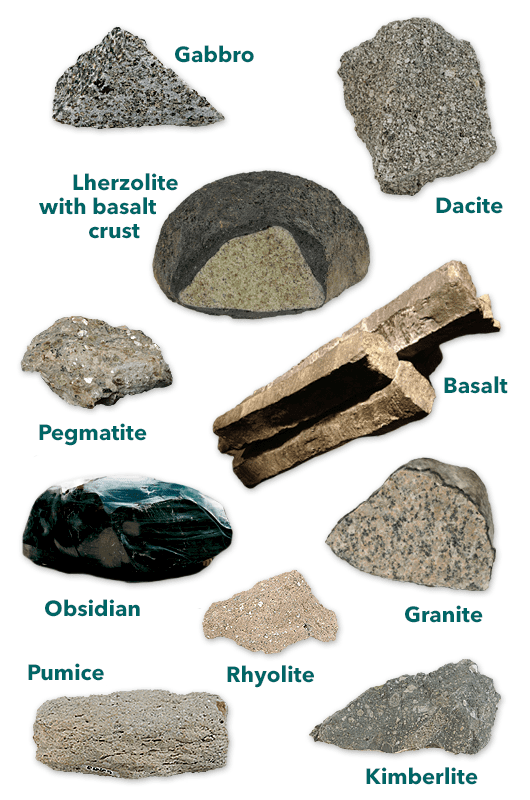
3 Types Of Rock Igneous Sedimentary Metamorphic Amnh
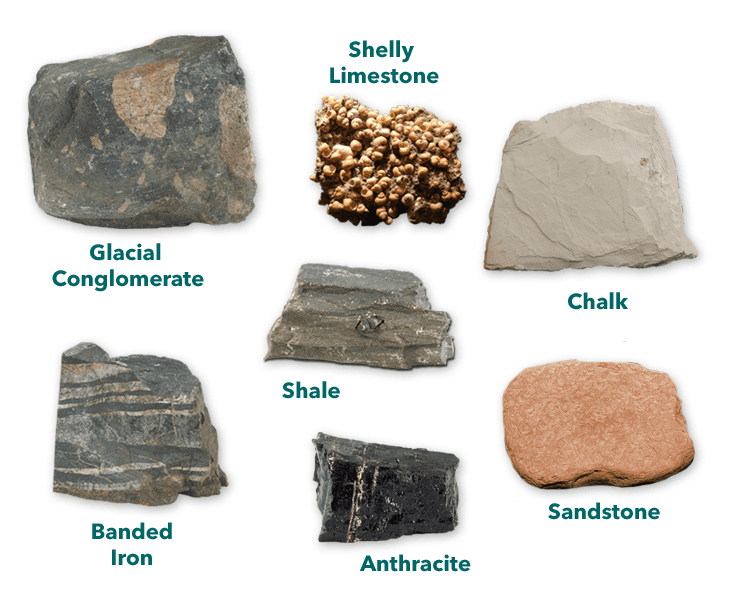
3 Types Of Rock Igneous Sedimentary Metamorphic Amnh

Comments
Post a Comment